
Mold Remediation Georgia
Mold remediation Georgia homeowners trust connects homeowners with licensed crews built for a subtropical climate that holds 65 to 75 percent humidity for most of the year, which is exactly the range mold needs to take hold. If you found a dark patch behind the guest bathroom vanity, smelled something musty in the crawl space, or your home inspector flagged moisture readings before closing, you need a crew that can inspect, test, and remove it correctly the first time. We connect Georgia homeowners with licensed mold remediation contractors who handle black mold removal, attic and crawl space treatment, HVAC mold cleanup, and full remediation projects across the state.
Call Now: 1 (866) 364-0572What Atlanta homeowners ask us first
- Is this actually mold, or just surface staining and dirt?
- Will my homeowners insurance cover any of the remediation cost?
- How fast does mold spread once a leak or flood has soaked drywall?
- Can I clean it myself, or does this need a licensed crew?
Mold Remediation Cost in Georgia: 2026 Price Guide
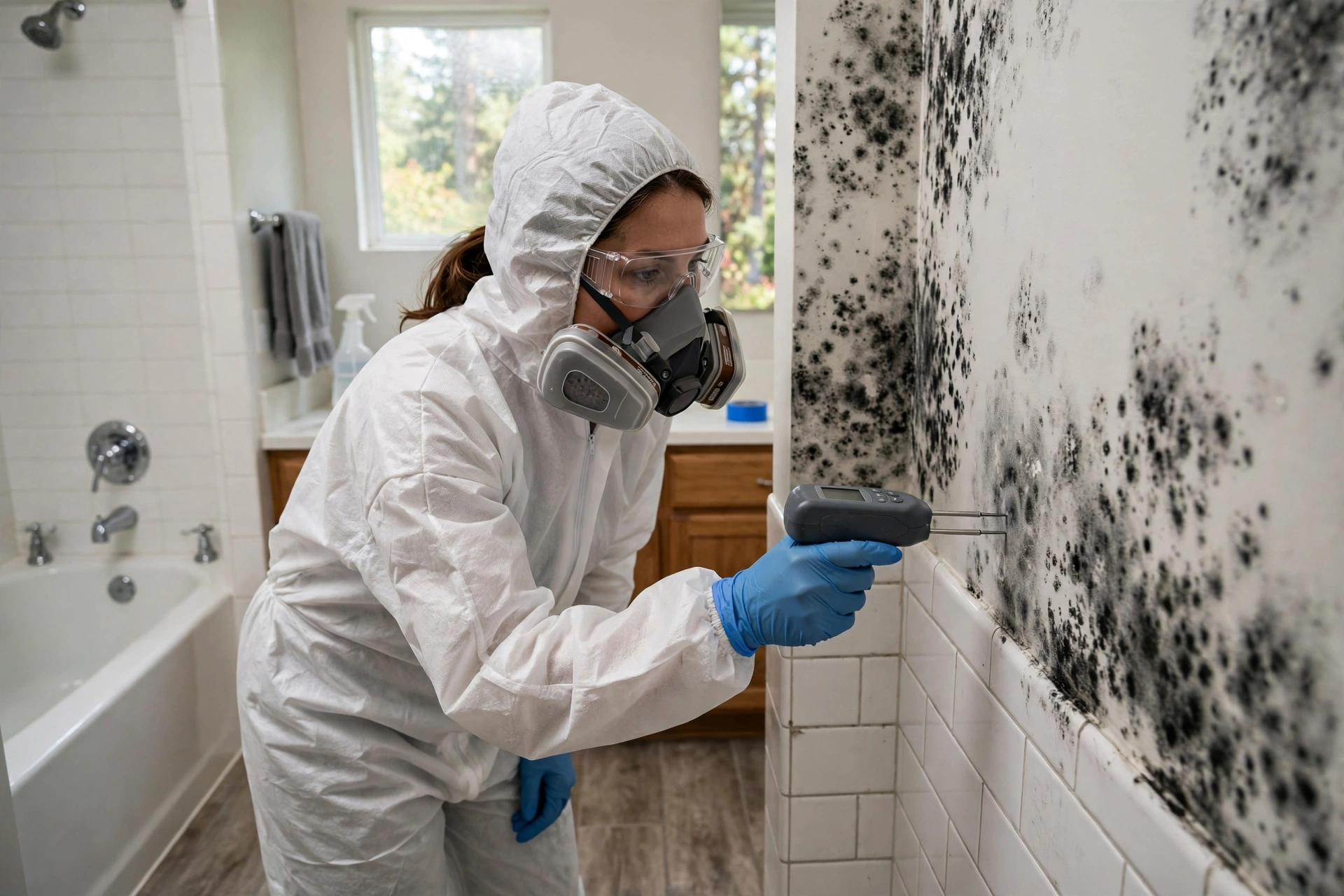
If you found mold in your Georgia home, the first question is usually the same one: how much is this going to cost? It is a fair question, and the honest answer is that mold remediation cost in Georgia varies more than most home repairs, because the price depends on how far the mold has spread, where it is growing, and what has to be removed or repaired to keep it from coming back.
The short answer: most Georgia homeowners pay between $1,500 and $3,500 for a typical professional mold remediation job, based on national industry averages. Small, contained jobs, like a bathroom wall or a single closet, often land between $500 and $1,500. Larger jobs involving crawl spaces, attics, or multiple rooms commonly run $3,000 to $10,000 or more. Inspection and testing are usually billed separately and add roughly $200 to $600. These are national industry averages, not quotes from any one company.
National Average Mold Remediation Costs in 2026
The table below shows typical national price ranges for professional mold remediation. A real quote requires an on-site inspection, because two homes with the same visible mold can have very different jobs underneath.
| Job scope | National average range |
|---|---|
| Small, contained area (under 10 sq ft) | $500 to $1,500 |
| Medium area (10 to 100 sq ft) | $1,500 to $3,500 |
| Large area (over 100 sq ft) | $3,000 to $6,000 |
| Whole-house or multi-room remediation | $6,000 to $10,000+ |
| Crawl space remediation | $1,500 to $5,000 |
| Attic remediation | $1,500 to $4,000 |
| HVAC system remediation | $2,000 to $6,000 |
| Mold inspection (visual plus moisture reading) | $200 to $600 |
| Air quality or surface testing | $200 to $600 |
These figures are national industry averages compiled from industry reporting and contractor pricing data. Georgia pricing tends to track close to the national average, with Atlanta metro quotes sometimes running slightly higher because of labor costs and the prevalence of crawl space homes.
What Drives Mold Remediation Cost Up or Down
When a remediation company prices your job, the estimator is really answering five questions: how much mold is there, where is it, what materials are affected, what caused the moisture, and how much has to be demolished to fix it properly. Each one moves the price.
1. Size of the affected area
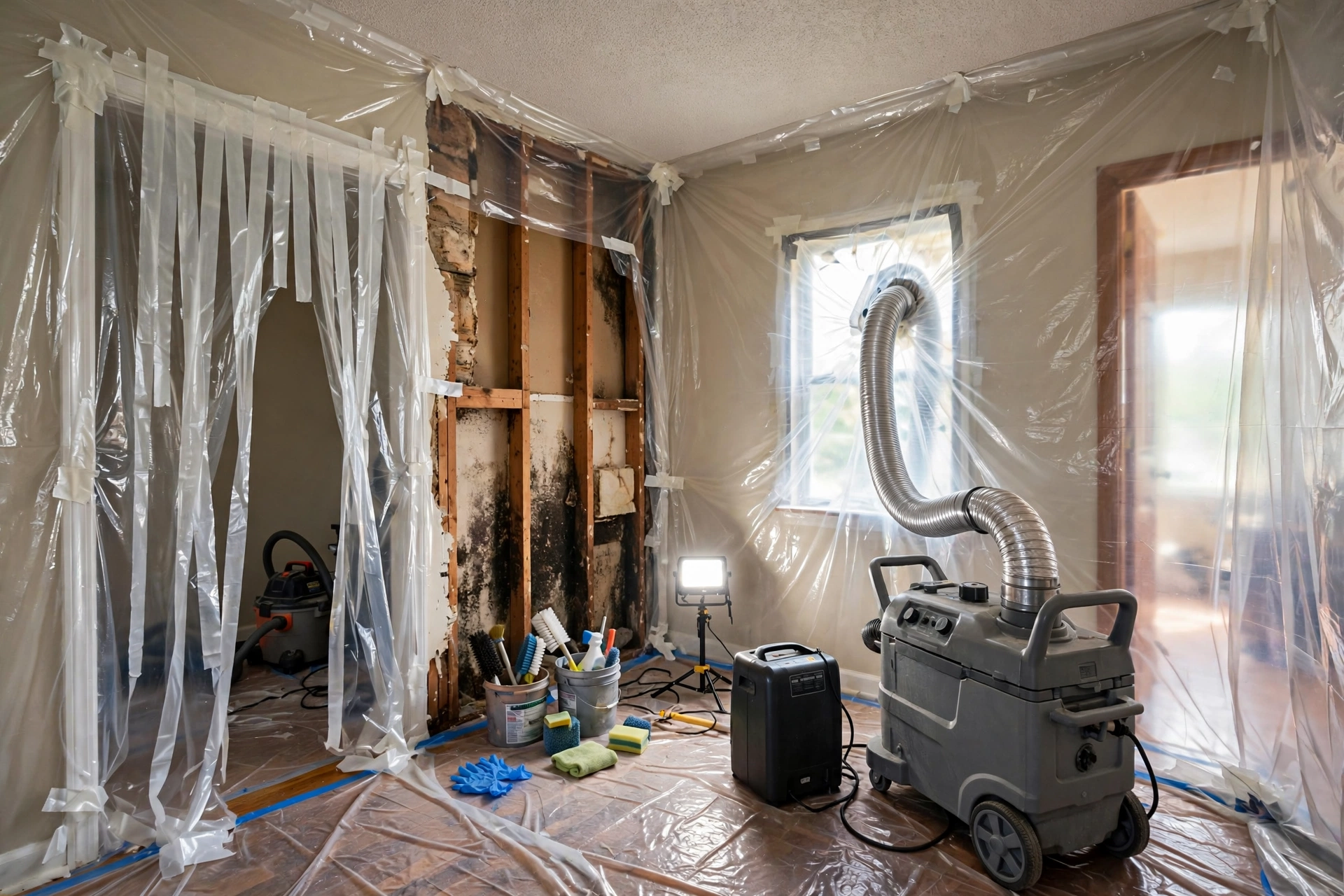
Size is the single biggest cost driver. A patch of mold on a bathroom ceiling that measures a few square feet is a half-day job with minimal containment. Mold that has spread across an entire crawl space or through wall cavities in three rooms is a multi-day project with full containment, negative air pressure, and far more labor. This is why reputable companies insist on inspecting before quoting: they cannot price what they cannot measure.
2. Location in the home
Mold in easy-to-reach places costs less to remediate than mold in tight or hidden spaces. Surface mold on drywall in an open room is straightforward. Mold inside a vented crawl space, behind a shower surround, or spread through HVAC ductwork takes longer, needs more protective setup, and often requires specialized equipment. In Georgia, crawl spaces and attics are the two most common expensive locations, because both are hard to access and both stay damp in our climate.
3. Materials affected and demolition required
Non-porous materials like tile, glass, and metal can usually be cleaned and kept. Porous materials like drywall, insulation, and carpet pad usually have to be removed once mold has grown into them. Every square foot of demolition adds labor, disposal fees, and rebuild cost. If you want a clearer picture of what a proper estimate should include, start with a mold removal cost estimate from a company that inspects first.
4. The moisture source
Remediation without fixing the moisture source is money thrown away, because the mold will return. A simple fix, like re-caulking a tub or replacing a leaking supply line, adds little to the project. A roof leak, foundation seepage, or chronic condensation on ductwork can add meaningful cost, because those problems have to be solved before or during remediation. In Georgia homes, the usual suspects are plumbing leaks, roof leaks after summer storms, and condensation caused by high indoor humidity.
5. Testing and clearance
Some jobs need air quality testing before work starts and a clearance test after work ends to confirm the space is back to normal. Testing typically adds $200 to $600 per round. Not every job needs it, but for larger projects, real estate transactions, or health-sensitive households, it is money well spent. A professional mold testing service can tell you whether testing makes sense for your situation.
Mold Remediation Cost by Area of the Home
Georgia homes have a few trouble spots that show up again and again. Our average humidity runs 65 to 75 percent for much of the year, which means attics, crawl spaces, and HVAC closets can grow mold even without an obvious leak. Here is what each area typically costs.
Bathroom mold
Bathrooms are the most common mold location and usually the cheapest to fix. Surface mold on grout, caulk, or a small section of drywall typically falls in the $500 to $1,500 range at national averages. The price climbs if the mold is behind the shower surround or under the flooring. If your bathroom mold keeps coming back after cleaning, the moisture is getting in from somewhere you cannot see, and it is time for a professional bathroom mold removal assessment rather than another round of scrubbing.
Attic mold
Attics in Georgia are mold magnets. Roof leaks, bathroom exhaust fans venting into the attic instead of outside, and condensation on the underside of the roof deck all feed growth in a space nobody checks regularly. National averages for attic mold removal run $1,500 to $4,000, depending on how much sheathing and insulation is affected, and the original ventilation or leak problem has to be fixed or the mold returns within a season or two.
Crawl space mold
Vented crawl spaces are standard in much of Georgia, and they are the most expensive common mold location per square foot. Warm, humid outside air flows under the house, condenses on cool ductwork and floor joists, and feeds mold on wood framing all summer. Crawl space remediation typically runs $1,500 to $5,000 at national averages. Encapsulation or a dehumidifier afterward is extra, but in Georgia's climate it is often the difference between a one-time fix and a repeat job.
HVAC system mold
Mold in ductwork or on an air handler is a bigger deal than the same amount of mold on a wall, because the system distributes spores to every room it serves. HVAC remediation runs $2,000 to $6,000 at national averages. Condensation on ductwork in unconditioned attics and crawl spaces is the usual cause in Georgia. If you smell a musty odor every time the system kicks on, get the system inspected. Professional HVAC mold remediation includes cleaning the components and addressing the moisture that caused the growth.
Black mold and toxic mold
Homeowners often ask whether black mold removal costs more than ordinary mold remediation. The color of the mold does not change the price much by itself; what matters is the extent of growth and the materials involved. Jobs involving Stachybotrys chartarum, often called black mold, do tend to use stricter containment and protective equipment, which adds some labor cost. Do not pay a premium just because someone used the word "toxic" on the phone; pay for a proper inspection that documents the actual scope.
Inspection and Testing: What They Cost and When You Need Them
A professional mold inspection and mold testing are two different services, and understanding the difference saves you from paying for the wrong one.
A mold inspection service sends a trained inspector to your home to look for visible mold, check moisture readings in walls and floors, identify the moisture source, and map out the scope of the problem. Expect to pay $200 to $600 at national averages, depending on the size of the home and how thorough the inspection is. A good inspection ends with a written scope of work: where the mold is, how far it has spread, what caused it, and what needs to be done. That document is also what lets you compare quotes apples to apples.
Mold testing means taking physical samples, usually air samples with a spore trap or surface swabs, and sending them to a lab for analysis. Testing also runs $200 to $600 at national averages. Testing is most useful when you need documentation: for a real estate transaction, an insurance claim, a landlord dispute, or a household with serious health sensitivities. For a straightforward visible-mold job, an experienced inspector can often scope the work without lab testing, and skipping unnecessary testing keeps your total down.
One caution: be wary of any company that pushes expensive testing before it has even done a visual inspection, or that insists the same company must do both the testing and the remediation with no option for independent verification. Testing has its place, but it should follow the inspection, not replace it.
Does Homeowners Insurance Cover Mold Remediation in Georgia?
Sometimes, and the details matter. Most standard homeowners policies in Georgia cover mold remediation when the mold resulted from a sudden, covered event, like a burst pipe or an appliance hose failure, as long as you reported the damage promptly. Most policies exclude mold caused by long-term neglect, such as a roof leak that went unrepaired for months, or by chronic conditions like high indoor humidity and poor ventilation.
Many policies also cap mold coverage at a specific dollar limit, often $1,000 to $10,000, which may not cover a large job. Flood-driven mold is a separate issue entirely: standard homeowners policies do not cover flooding, and mold caused by a flood generally requires a separate flood insurance policy to be covered.
If you think your claim might be covered, document everything before cleanup begins: photos of the mold, photos of the water source, the inspection report, and receipts for any emergency mitigation. Your adjuster will want evidence of the cause and the extent. File the claim quickly, because delays give the insurer room to argue the damage worsened through neglect. And read your policy's mold endorsement before you assume anything; the cap and the exclusions are usually spelled out there.
DIY vs Professional: Where the Cost Line Falls
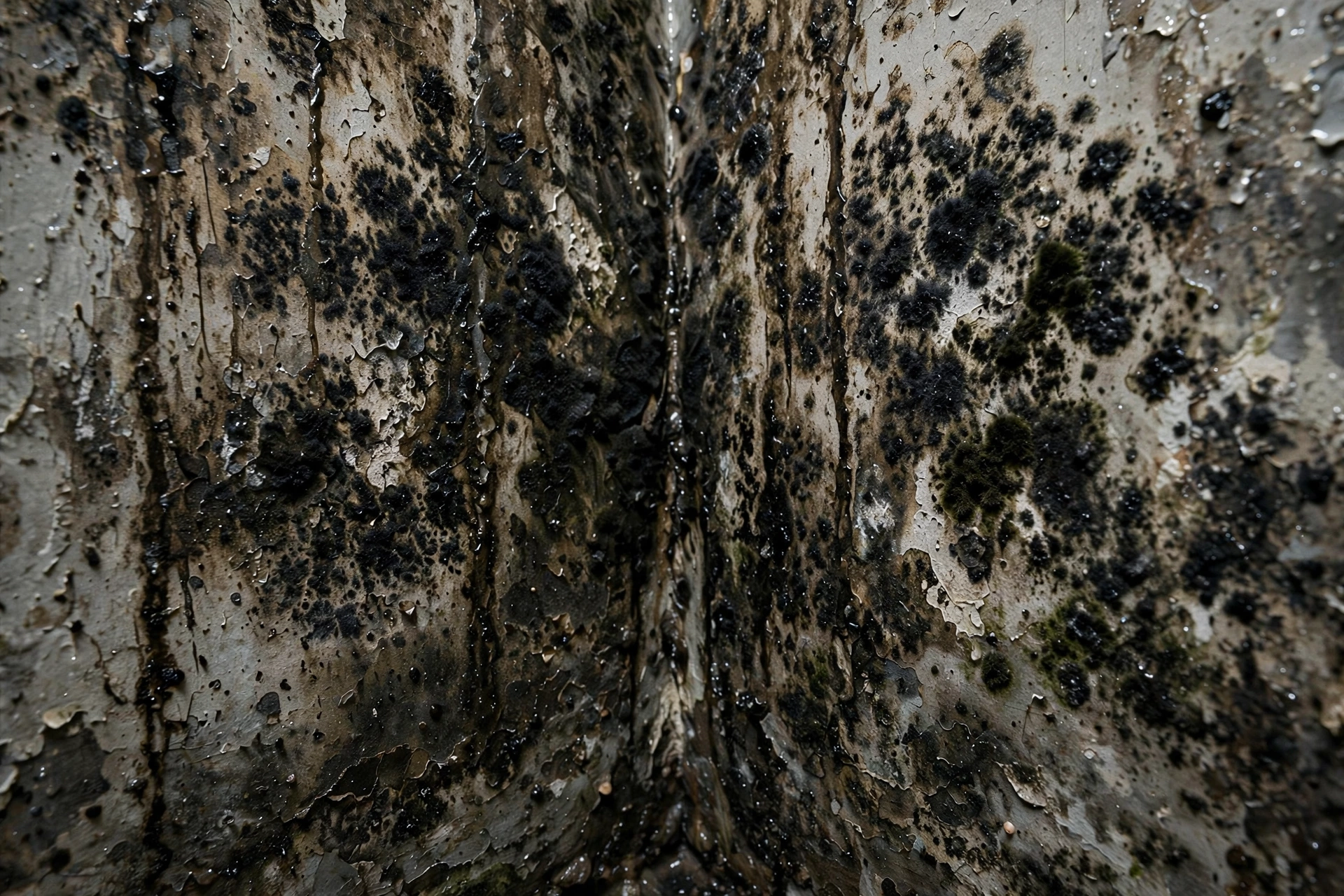
For very small, isolated mold spots, DIY is reasonable and cheap. A patch under 10 square feet on a hard, non-porous surface can usually be handled with proper protective gear (gloves, goggles, an N95 respirator), a HEPA vacuum, and an appropriate cleaning product, for well under $100 in supplies. The EPA notes that small areas can often be cleaned by homeowners who follow proper precautions.
The line where DIY stops making sense is well established in industry guidance: once the affected area is larger than about 10 square feet, once mold is inside wall cavities, HVAC ductwork, or a crawl space, or once it followed a flood or sewage backup, professional remediation is the safer and usually cheaper choice in the long run. Disturbing a large mold colony without containment spreads spores through the house, turning a $2,000 contained job into a $6,000 whole-house problem.
There is also a health dimension. People with asthma, allergies, or weakened immune systems should not be the ones scrubbing mold, even small patches. The CDC advises that mold exposure can trigger respiratory symptoms, and sensitive individuals should avoid exposure during cleanup.
How to Keep Mold Remediation Costs Down Without Cutting Corners
You cannot negotiate with mold, but you can avoid paying for more remediation than you need. These steps keep the bill honest:
- Get the inspection first, then compare scopes. Two quotes are only comparable if both companies inspected and wrote up the same scope. A quote without an inspection is a guess.
- Fix the moisture source before or during remediation. A plumber fixing a $200 leak is cheap insurance against a repeat $3,000 remediation. Ask the remediation company to confirm the source is resolved before they close up walls.
- Ask what can be cleaned versus what must be removed. Honest estimators will tell you which materials can be saved. If every quote says "gut everything," get another opinion.
- Control humidity after the job. Georgia's climate will try to undo the work. A dehumidifier in the crawl space or basement, bathroom exhaust fans that actually vent outside, and keeping indoor humidity under 50 percent are the cheapest mold insurance you can buy. A mold prevention treatment plan for high-risk areas can also reduce the chance of paying for remediation twice.
- Act early. Mold spreads and the job grows with it. A $800 bathroom job ignored for a year can become a $4,000 wall-cavity job. The cheapest remediation is the one you schedule now.
Red Flags in Mold Remediation Quotes
Georgia has no shortage of mold companies, and most are legitimate. Watch for these warning signs when comparing quotes:
- A firm price with no inspection. Legitimate estimators need to see the job. Phone quotes are marketing, not pricing.
- No mention of the moisture source. If the quote covers removal but never addresses what caused the mold, the job is incomplete by design.
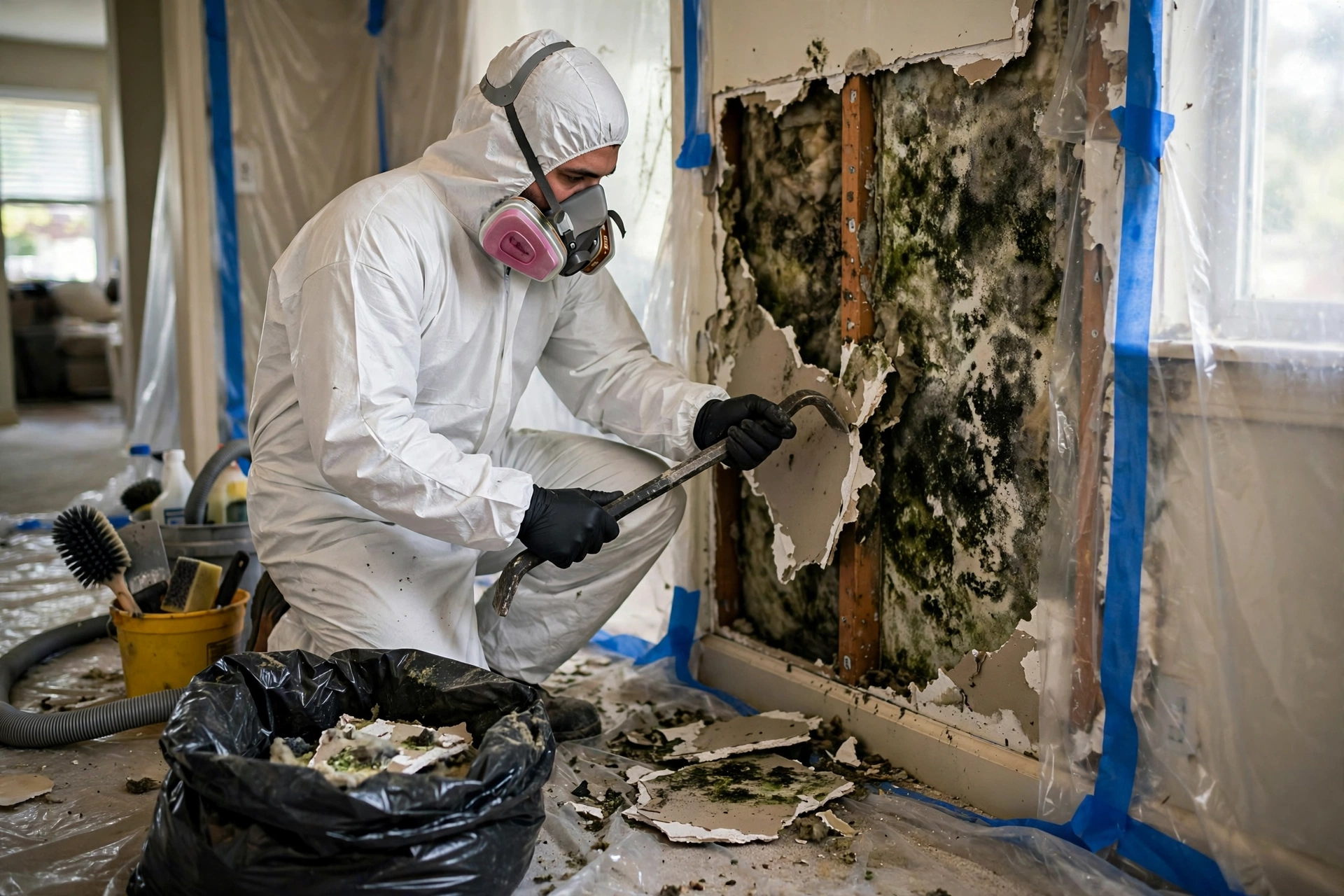
- No containment plan. Professional remediation on anything beyond a tiny spot includes containment barriers and air filtration. A crew that plans to just start tearing out drywall will spread spores through your home.
- Pressure to decide today. Mold is urgent, but a "sign now or the price doubles" pitch is a sales tactic, not a professional assessment.
- Vague line items. A real quote lists the scope: areas to be contained, materials to be removed, cleaning and treatment steps, drying verification, and whether clearance testing is included.
- Cash-only or no written contract. Reputable companies put the scope, price, and warranty terms in writing.
Frequently Asked Questions
What is the average cost of mold remediation in Georgia?
Based on national industry averages, most Georgia homeowners pay $1,500 to $3,500 for a typical job. Small contained jobs run $500 to $1,500, while large or multi-room jobs, including crawl spaces and attics common in Georgia, run $3,000 to $10,000 or more. Inspection and testing usually add $200 to $600 each.
Will my homeowners insurance pay for mold remediation?
It depends on the cause. Most policies cover mold from a sudden covered event like a burst pipe, but exclude mold from long-term neglect or chronic humidity. Many policies also cap mold coverage, often between $1,000 and $10,000. Check your policy's mold endorsement and document the damage with photos and an inspection report before filing.
Is black mold more expensive to remediate?
Not necessarily. The color of the mold matters less than the extent of growth and the materials affected. Jobs involving Stachybotrys chartarum, often called black mold, do tend to use stricter containment and protective protocols, which adds some labor cost, but the main price driver is still how far the mold has spread.
How long does professional mold remediation take?
Small jobs often take one day. Medium jobs typically take two to three days, and large multi-room or crawl space projects can take a week or more. Drying and verification add time beyond the active work days. A proper scope from your inspection will include a realistic timeline.
Can I just clean the mold myself and save the money?
For patches under about 10 square feet on hard surfaces, yes, with proper protective gear. Beyond that size, or when mold is inside walls, ducts, or crawl spaces, DIY usually spreads the problem and costs more to fix afterward. Households with asthma or allergies should avoid DIY mold cleanup entirely.
Do I need mold testing, or is an inspection enough?
For most straightforward visible-mold jobs, a thorough professional inspection is enough to scope the work. Testing is worth the extra $200 to $600 when you need documentation for insurance, a real estate transaction, a landlord dispute, or when someone in the home has serious health sensitivities. Be cautious of companies that push testing before inspecting.
The Bottom Line
Mold remediation cost in Georgia comes down to scope: how much mold, where it is, and what it takes to fix the moisture that caused it. National industry averages put most jobs between $1,500 and $3,500, with small jobs under $1,500 and large ones reaching $10,000 or more. The smartest money you can spend is on a proper inspection first, because everything downstream, the quote, the insurance claim, and the final result, depends on knowing the true extent of the problem.
If you are dealing with mold anywhere from Atlanta to Savannah, Columbus, Macon, or Athens, Mold Remediation Georgia can start with an inspection and give you a written scope before any work begins. Call 1 (866) 364-0572 or visit our contact page. We are located at 1150 Ralph David Abernathy Blvd SW, Atlanta, GA 30310, and dispatch across Georgia.
References
- U.S. Environmental Protection Agency. (n.d.). A brief guide to mold, moisture and your home. https://www.epa.gov/mold/brief-guide-mold-moisture-and-your-home
- U.S. Environmental Protection Agency. (n.d.). Mold remediation in schools and commercial buildings guide. https://www.epa.gov/mold/mold-remediation-schools-and-commercial-buildings-guide
- Centers for Disease Control and Prevention. (n.d.). Mold. https://www.cdc.gov/mold/
- Institute of Inspection, Cleaning and Restoration Certification. (2021). ANSI/IICRC S520: Standard for professional mold remediation (4th ed.). https://www.iicrc.org
- Federal Emergency Management Agency. (n.d.). Mold and mildew: Cleaning up your flood-damaged home. https://www.fema.gov
- Georgia Environmental Protection Division. (n.d.). Air protection branch. https://epd.georgia.gov
Mold can't wait.
Serving Atlanta and 44 Georgia cities. Call 1 (866) 364-0572 now.